Bilal Bashir Bhat
Dargah Hazratbal, whose origins date back to the 17th century when Ishrat Mahal was converted into a mosque under the orders of Mughal Emperor Shah Jahan, was re-inaugurated on Wednesday (03 Sep 2025), on the eve of the 1500th Birth Anniversary of Prophet Muhammad ﷺ, after a grand renovation.
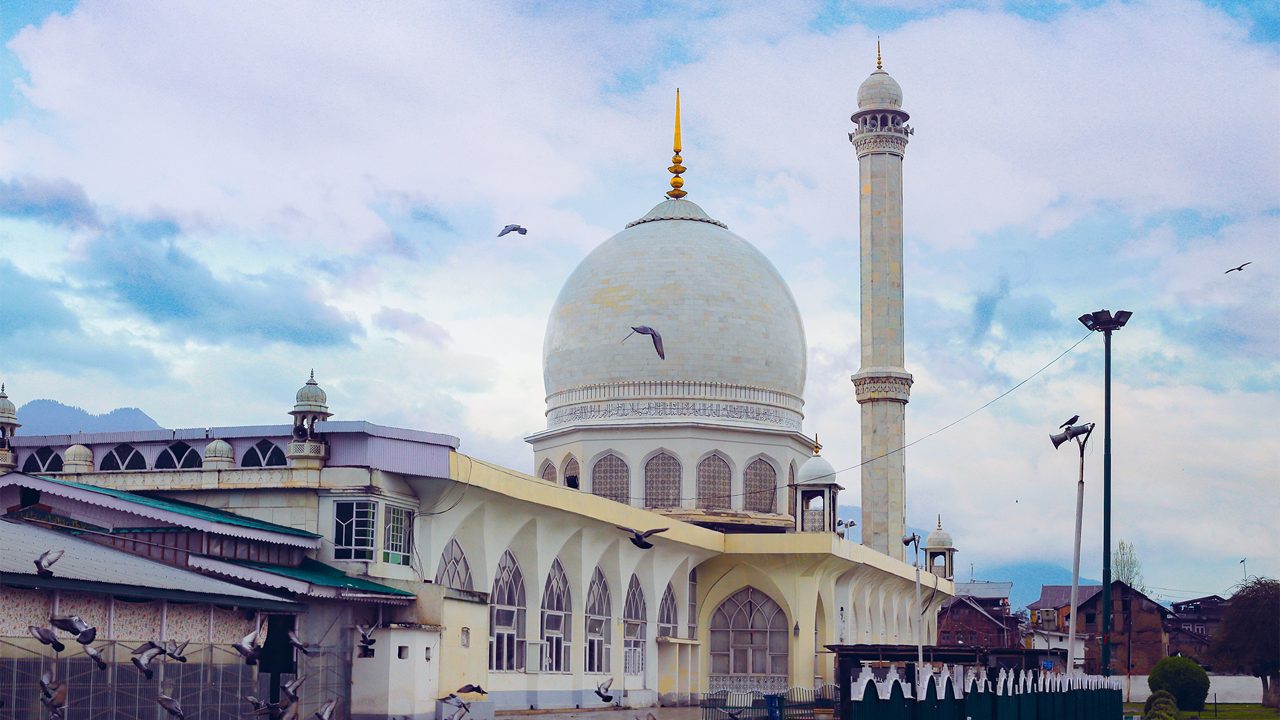 The Hazratbal Shrine, Kashmir’s most revered spiritual landmark associated with the holy relic (Moi-e-Muqaddas) of Prophet Muhammad ﷺ, was re-inaugurated after a major renovation and beautification project led by the Jammu & Kashmir Waqf Board. The inauguration was carried out by Board Chairperson (also senior leader of BJP) Dr. Syed Darakhshan Andrabi in the presence of dignitaries.
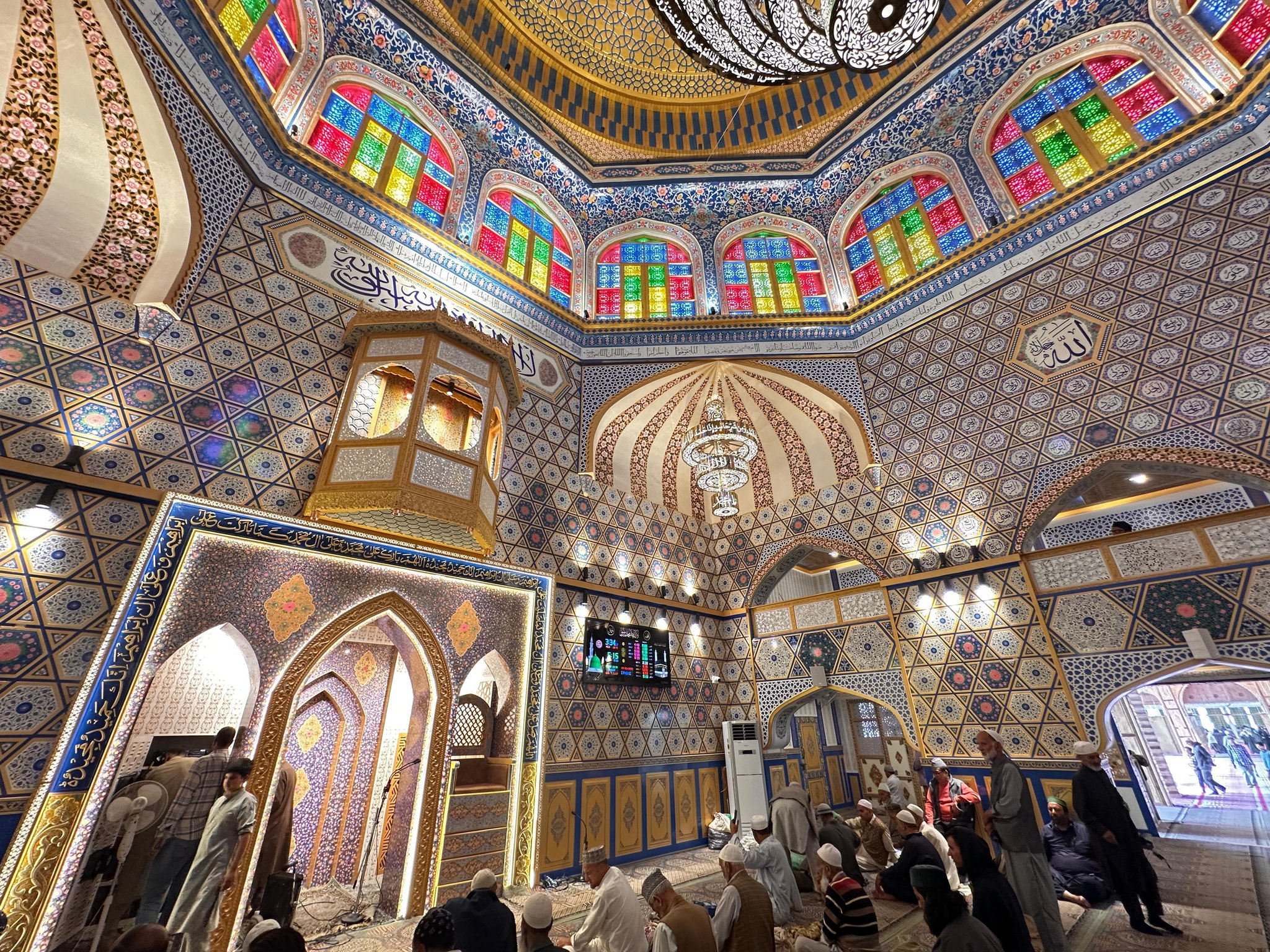
The year-long project focused on strengthening and beautifying the shrine’s inner structure, blending Kashmiri traditional crafts like Khatamband, Papier-mâché, Pinjrakari, Calligraphy, and Glasswork with modern facilities such as advanced lighting, digital sound systems, air-conditioning, and security equipment. Golden-carved chandeliers and a redesigned Noor Khana further enhanced the shrine’s grandeur.
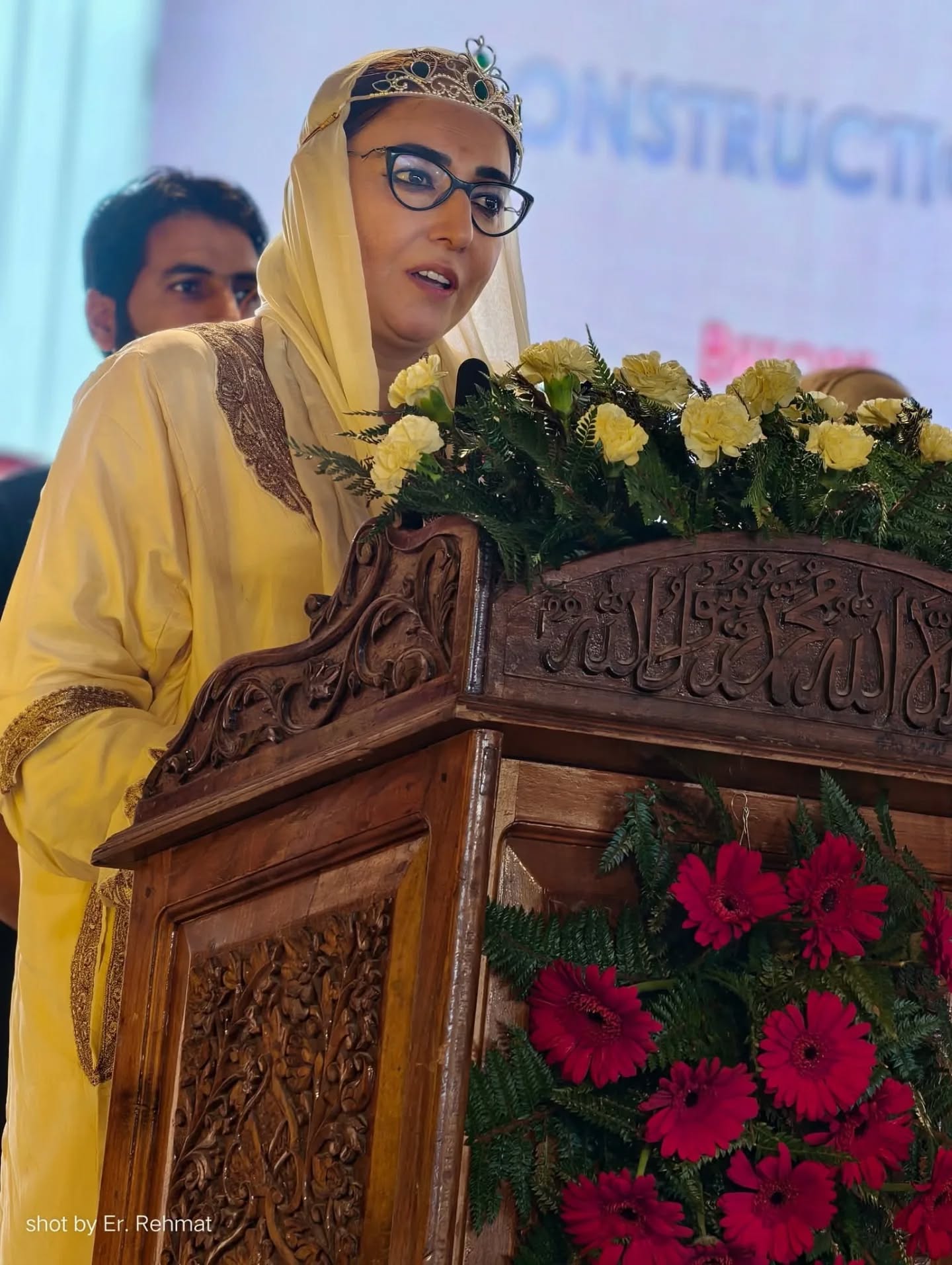 Dr. Andrabi described the project as her “dream initiative,” expressing joy that its completion coincided with the forthcoming celebrations of Milaad-un-Nabi ﷺ. She called Hazratbal “the most beautiful and magnificent shrine in the country” and expressed gratitude to the administration and the public for their cooperation.
This development comes at a historic moment when the world is preparing to commemorate the 1500th birth anniversary of the Prophet Muhammad ﷺ. Across the Muslim world, academic, spiritual, and cultural events are being organized to honor this blessed occasion, and Hazratbal’s renewed splendor adds a unique spiritual glow to the global commemoration.
It is noteworthy that in 1699, the sacred relic was brought to Kashmir and enshrined at Hazratbal, making it the holiest Muslim shrine in the Valley. Its distinctive white marble dome, influenced by Persian architecture, sets it apart from traditional Kashmiri structures. For centuries, Hazratbal Shrine has drawn thousands of devotees from within and outside the Valley. With this renovation, it now stands rejuvenated in its majesty, sanctity, and spiritual aura.
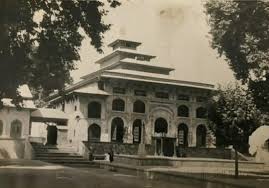
In 1963, when the holy relic disappeared from the shrine, the Valley erupted in unprecedented protests. The relic’s recovery was seen not only as a miracle but also as a unifying moment for Kashmiri Muslims. Mirwaiz Molvi Muhammad Farooq and other clerics of Srinagar played a central role in calming the people, organizing mass prayers, and ensuring the religious sanctity of the movement.
Lal Bahadur Shastri, then Union Minister (later Prime Minister), intervened quickly, sent high-level teams, and facilitated the relic’s recovery. To this day, it is not known who was behind the relic’s disappearance. The relic was recovered on 4 January 1964, but details were kept opaque.
Although Sheikh Abdullah was in prison at the time, the event galvanized public sentiment and indirectly reinforced his political stature.
The Hazratbal Dargah has undergone several phases of renovation and expansion over the decades, each reflecting evolving architectural needs. The earliest major development was spearheaded in the 1960s under the leadership of Sheikh Mohammad Abdullah.
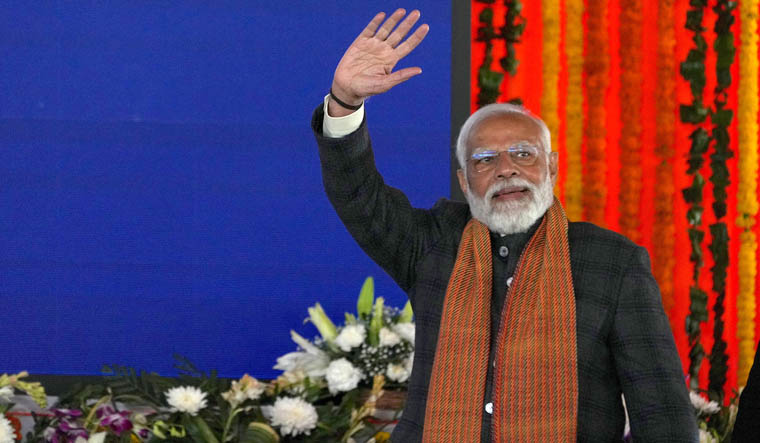
Between 1968 and 1979, the shrine underwent major restoration. In recent years, large-scale development has further enhanced its spiritual and cultural stature. In March 2024, Prime Minister Narendra Modi inaugurated the Integrated Hazratbal Shrine Development Project, which introduced upgraded infrastructure, modern lighting, parking facilities, and a Sufi interpretation center, ensuring a smoother pilgrimage experience.
The latest mega-renovation, inaugurated in September 2025 by the J&K Waqf Board under Dr. Darakhshan Andrabi, transformed the shrine’s interiors by combining modern amenities with Kashmir’s traditional artistry.
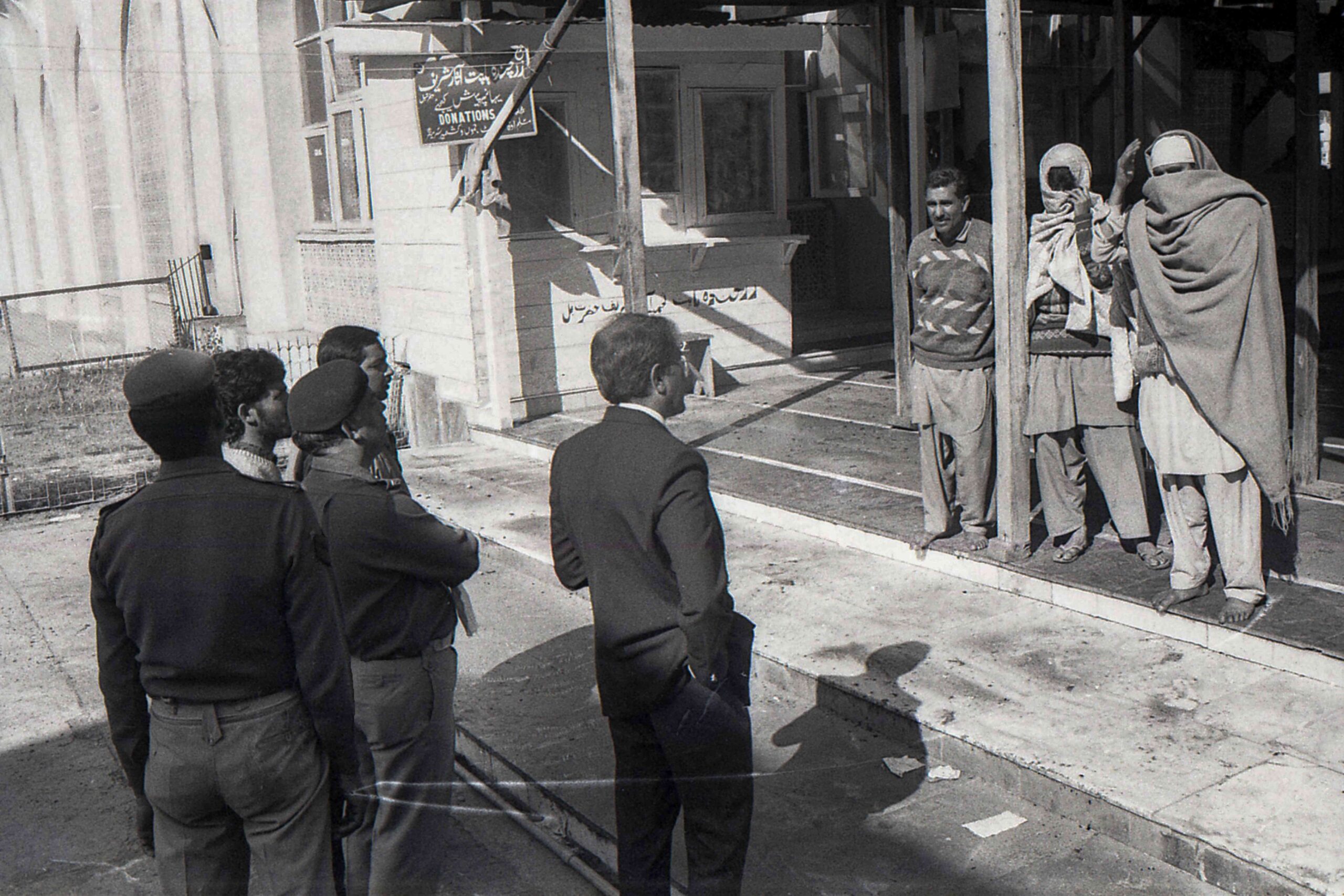
The 1993 Hazratbal Siege was a defining moment in Kashmir’s turbulent history, when militants took shelter inside the revered shrine that houses the holy relic of Prophet Muhammad ﷺ. Indian security forces surrounded the complex but, mindful of its sanctity, refrained from a direct assault that could have provoked outrage across the Muslim world. For 31 tense days, negotiations continued amid protests and fears of violence.
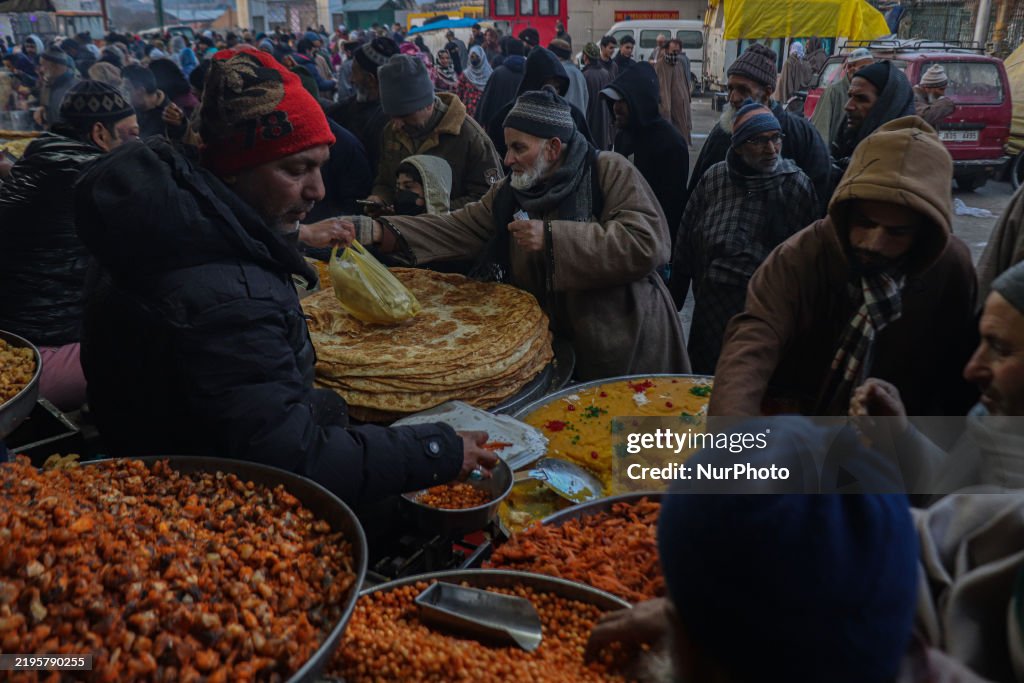
Over the years, Hazratbal Shrine has also become a hub of economic activity. Small-scale vendors selling Kashmiri foods and handicrafts, such as nadru monje (lotus stem fritters), fish delicacies, and traditional crafts, thrive around the shrine, creating livelihoods for hundreds of families. Pilgrimage and tourism together have turned the area into a vibrant economic zone.
A recent report by The Telegraph suggested that J&K Chief Minister Omar Abdullah was denied access to the main sanctum of Hazratbal Shrine, allegedly due to restrictions imposed by the Waqf Board. It stated that Abdullah could only peer through a glass panel at the under-renovation prayer hall and was prevented from entering further.
The National Conference swiftly rejected these claims. Spokesperson Imran Nabi Dar called the story “fake news” and politically motivated, asserting that no such entry restrictions existed and urging media outlets to verify facts before amplifying narratives he attributed to political agendas.
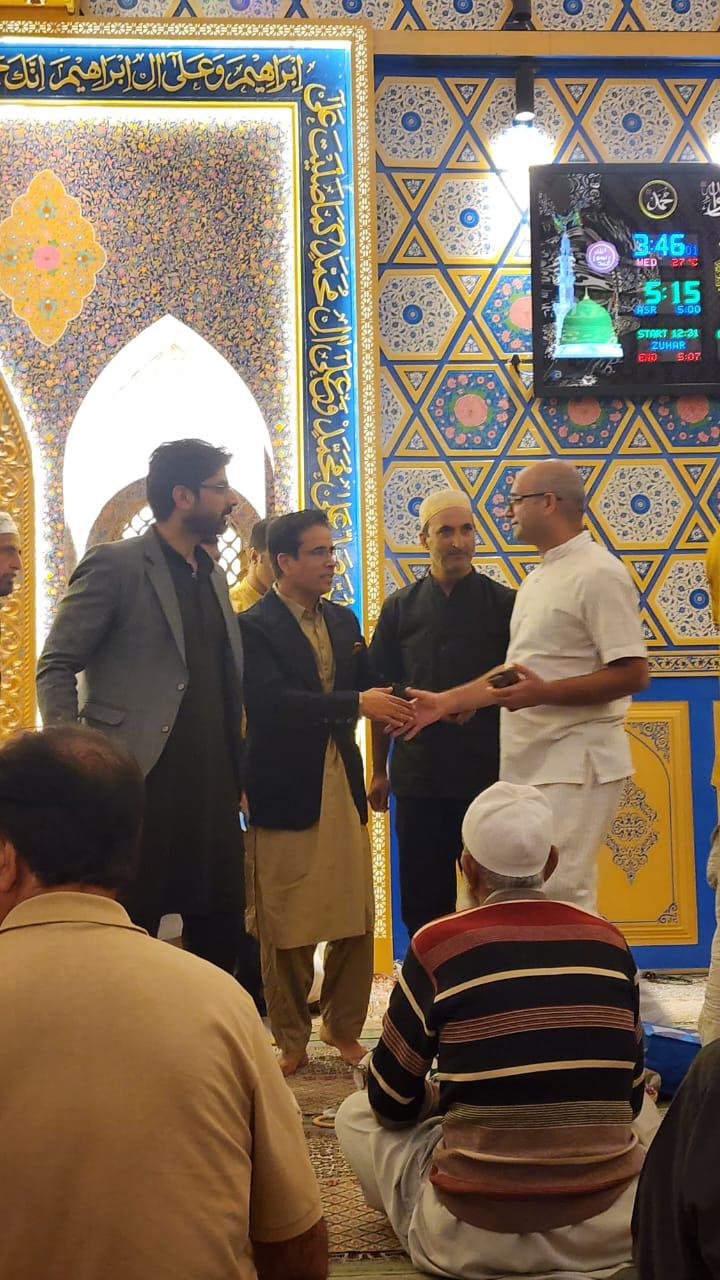 Hours after the inauguration of the newly renovated Hazratbal Shrine on Wednesday, National Conference leader and MLA Zadibal Tanvir Sadiq became the first prominent political figure to enter the shrine. On the occasion, he congratulated the people and hailed the historic contributions of Sheikh Mohammad Abdullah in elevating Hazratbal to a place of national prominence.
Meanwhile, Union Minister Kiren Rijiju, in his congratulatory message, highlighted that this was the first major interior transformation of the shrine since 1968. He lauded the blend of modern architecture with Kashmiri craftsmanship and called it a “cultural milestone in J&K’s spiritual heritage,” expressing gratitude to PM Narendra Modi and HM Amit Shah for their vision and support.
جموں و کشمیر کے لوگوں کو مبارک ہو۔
Congratulations to Dr. Darakhshan Andrabi & J&K Waqf Board for leading the historic renovation of Hazratbal Dargah.
After 1968, this is the first major interior transformation of the shrine.
The new design blends modernity with the traditional… pic.twitter.com/mRbxKoOyIS— Kiren Rijiju (@KirenRijiju) September 3, 2025