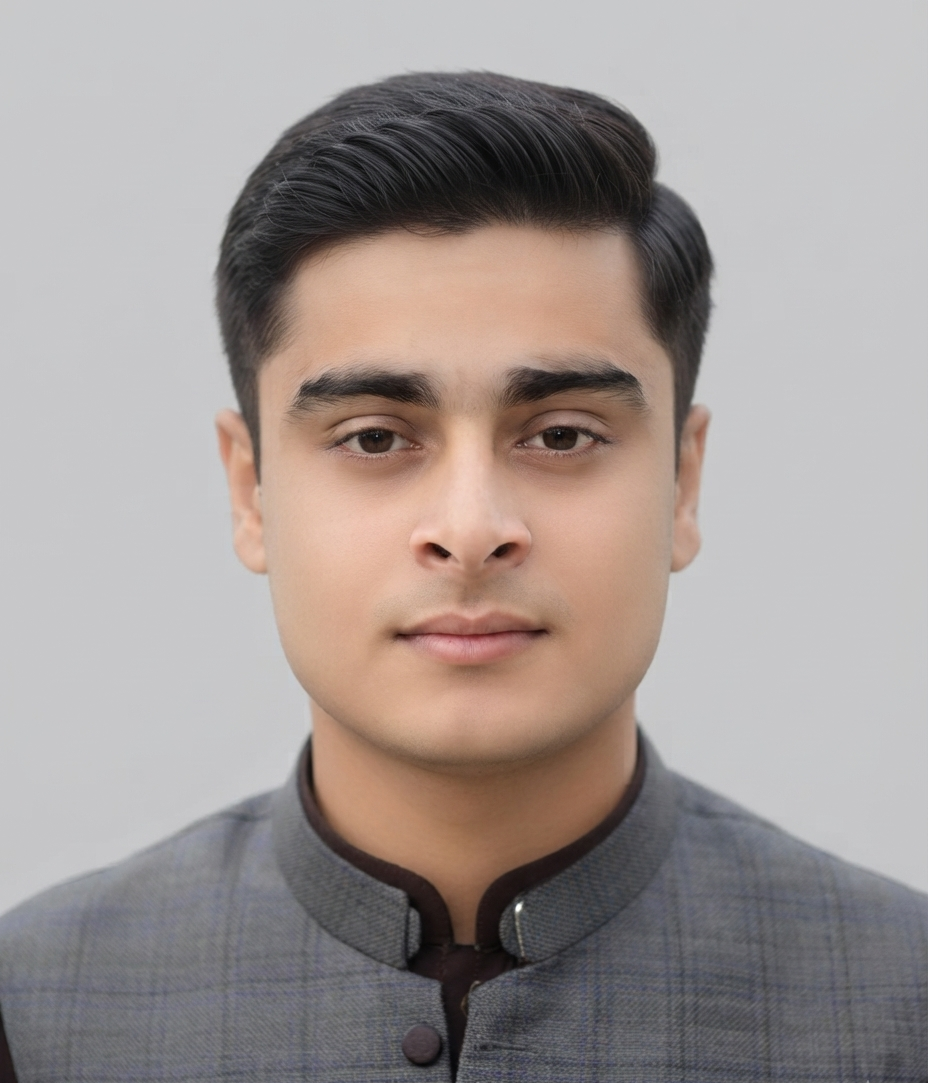
 Inayat Qadri
Baramulla, Kashmir
August 15 is not merely a date inscribed upon the calendar; it is an emblem of freedom, democracy and national cohesion. Yet, in the Kashmiri context, the evolving character of this day over the past several years represents a discernible social transformation. The Valley that once regarded national occasions as synonymous with apprehensions of shutdowns, restrictions, deserted thoroughfares and disruptions in communication now presents a markedly different spectacle, one in which Independence Day is increasingly characterised by tranquillity, enthusiasm and the rhythms of ordinary civic life.
There was a time when the approach of August 15 or January 26 would generate an unmistakable atmosphere of uncertainty across Kashmir. Reports of market closures, restricted traffic, interruptions in internet or communication services and extraordinary security arrangements would cast a long shadow over public life. National festivals were consequently observed not so much in an atmosphere of celebration as under the psychological weight of caution and apprehension. For the ordinary citizen, the overriding priority was not festivity but the preservation of everyday normalcy.
Today, however, the landscape appears considerably altered. During national festivals, markets remain functional, ordinary traffic and public activity continue, educational institutions and government offices organise commemorative programmes, and citizens participate in flag-hoisting ceremonies. Most significantly, the pervasive sense of fear and uncertainty that once accompanied such occasions is no longer as conspicuous in public life.
This transformation in Kashmir cannot be adequately understood merely through the prism of administrative measures. It is, in equal measure, an expression of a broader social metamorphosis. The younger generation is appropriating national occasions in its own idiom, through sports, cultural programmes, educational initiatives and social media. The Tricolour is no longer a spectacle confined principally to government edifices; at numerous places, it has become visible in the public sphere as an emblem of celebration and national belonging.
The internet and the expanding architecture of digital connectivity have further accentuated this transformation. In the past, the very possibility of an internet shutdown during national occasions could itself become a major news event. Today, under ordinary circumstances, citizens are able to share photographs, messages and videos of national celebrations with relatives and with the wider world without the pervasive anxiety of interruption. The restoration of such normalcy strengthens the citizen’s sense of confidence and security in everyday life.
Another consequential dimension of this transformation is discernible in the very conception of security. Security arrangements are indispensable for any national celebration, particularly in a region where violence and terrorism have left profound and enduring scars. Yet genuinely effective security is that which protects citizens while imposing the least possible disruption upon the quotidian rhythms of civil society. The relatively peaceful and routine conduct of national celebrations in Kashmir may therefore be regarded as a positive development in precisely this direction.
It would, of course, be intellectually untenable to suggest that all of Kashmir’s problems have disappeared or that normal life has been restored in its entirety at every level. The region continues to confront political, economic and social challenges. But to disregard the visible indicators of change would equally amount to an evasion of reality. A society’s sense of peace becomes truly substantive only when the ordinary citizen is able to experience its consequences within the texture of everyday existence.
Contemporary Kashmir increasingly presents an image in which a national festival signifies not merely an imposing security cordon, but also public participation, organised celebrations, school activities, bustling marketplaces and an unmistakable festive spirit. Perhaps the most consequential transformation is precisely this: fear has receded into the background, while celebration has begun to occupy the foreground.
Independence Day also offers a deeper lesson: freedom is not merely the safeguarding of territorial frontiers; it encompasses peace, development, the rule of law, equal opportunity, freedom of expression and the assurance of a secure civic existence. For Kashmir, the most reassuring future would be one in which every national day is as peaceful as an ordinary day, while simultaneously carrying within it an even more profound spirit of celebration.
The message of August 15, 2026, should therefore be unmistakable: in Kashmir, confidence is gradually displacing fear, normalcy is replacing restrictions, activity is overcoming silence, and hope is beginning to eclipse uncertainty. This journey is by no means complete, and making it durable remains a collective responsibility—shared by the government, institutions, political leadership and, above all, the people themselves.
When the Tricolour flutters through the streets and lanes of the Valley, when children sing songs of freedom, and when citizens participate in the national celebration without abandoning the ordinary rhythms of their lives, it is more than a ceremonial spectacle. It is a portrait of a changing Kashmir, one moving forward with aspirations for peace, stability and a more promising future.
The authentic meaning of Independence Day lies ultimately in ensuring that the experience of freedom is greater than the experience of fear, and that hope possesses greater power than despair.